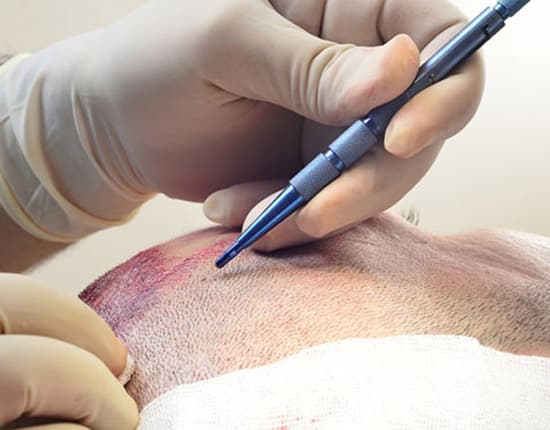
Classic FUE and Sapphire FUE are two advanced techniques for permanent hair restoration. Both involve extracting and implanting hair follicles individually, but they differ in the tools used to open channels in the recipient area—steel versus sapphire blades. Each method offers unique benefits depending on your hair type, density goals, and skin sensitivity.
Understanding Classic FUE
Classic FUE (Follicular Unit Extraction) is a trusted method where hair follicles are harvested individually and implanted into tiny channels created using steel blades. This technique is valued for its consistency, reliability, and decades of proven success.
Advantages
Long-established technique with extensive clinical history
Ideal for patients with moderate hair loss
Widely preferred by experienced surgeons
Accessible in most clinics worldwide
Considerations
Slightly larger incisions, leading to more visible scarring in some cases
Longer healing period due to traditional blade material
Understanding Sapphire FUE
Sapphire FUE is a refined version of the Classic method. It uses sapphire-tipped blades to create V-shaped micro-incisions, resulting in more precise graft placement, reduced scarring, and quicker healing.
Advantages
Allows for denser graft placement
Smaller incisions, reducing tissue trauma and inflammation
Faster recovery time and lower risk of scarring
Produces more natural-looking results in delicate areas (e.g., hairline)
Considerations
Requires advanced tools and technical skill
Slightly higher cost compared to the classic method
Which Technique Is Right for You?
Classic FUE may be ideal if:
You have moderate hair loss
You prefer a cost-effective yet proven technique
You do not require very high graft density
Sapphire FUE may be ideal if:
You want denser results, especially in visible areas
You’re looking for minimal scarring and quicker recovery
You prefer a more advanced, premium method
Post-Procedure and Recovery
Initial Recovery: Most patients return to daily routines within 1–3 days
Scabbing and Shedding: Scabs typically fall off within 7–10 days; shock loss is common after 2–3 weeks
Hair Regrowth: New growth starts around 3–4 months, with visible results by month 6–9
Final Outcome: Full results are typically visible within 12–15 months
Frequently Asked Questions
Most patients can resume regular activities within 2–3 days. Complete healing of the donor and recipient areas may take a few weeks, while new hair growth typically begins around 3 months post-procedure.
The procedure is performed under local anesthesia, so discomfort is minimal. Some patients may experience mild soreness or tightness in the scalp for a few days after the procedure.
Candidates should have sufficient donor hair at the back or sides of the scalp. Classic FUE suits those with moderate hair loss, while Sapphire FUE is ideal for patients seeking higher density or restoration in delicate areas like the hairline.
Sapphire FUE uses blades made of sapphire instead of steel, allowing for smaller incisions, more precise graft placement, and faster healing with less visible scarring.
The cost reflects the use of advanced sapphire blades, which require specialized tools and offer more refined results, especially in areas requiring dense or detailed implantation.
Both methods deliver natural outcomes when performed by skilled surgeons. Sapphire FUE provides enhanced precision, which can be beneficial for natural-looking hairlines or areas requiring high density.
Yes. In some cases, clinics may use a hybrid approach—utilizing Classic FUE for larger areas and Sapphire FUE for high-precision zones like the front hairline.
As with any medical procedure, there are minor risks such as temporary redness, swelling, or mild infection. These are rare and typically resolve with proper aftercare.
Your doctor will assess factors such as your hair loss pattern, donor hair quality, scalp condition, and aesthetic goals to recommend the most suitable method.
Contact Us