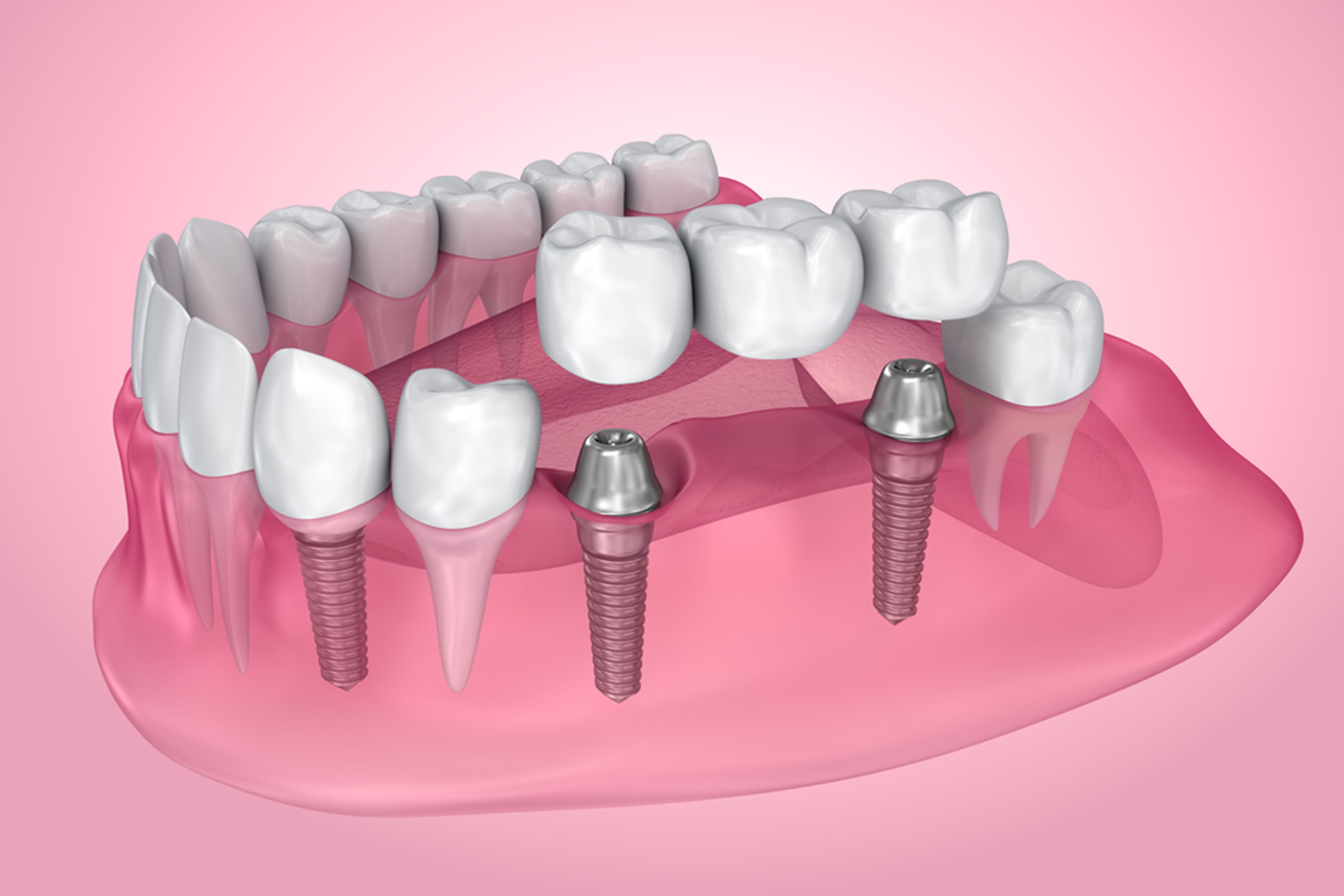
Dental bridges are custom-made prosthetic solutions designed to replace one or more missing teeth. By anchoring artificial teeth (pontics) to surrounding natural teeth or implants, bridges restore both aesthetics and oral functionality—helping patients chew, speak, and smile with ease.
Treatment Timeline
Dental bridge treatment is typically completed in 2 to 3 visits over the course of 1 to 2 weeks, depending on the complexity of the case and whether implants are required.
Step-by-Step Procedure
Initial Consultation
Your dentist conducts a full oral assessment, including X-rays or digital scans, to evaluate your dental structure and determine the best treatment approach.
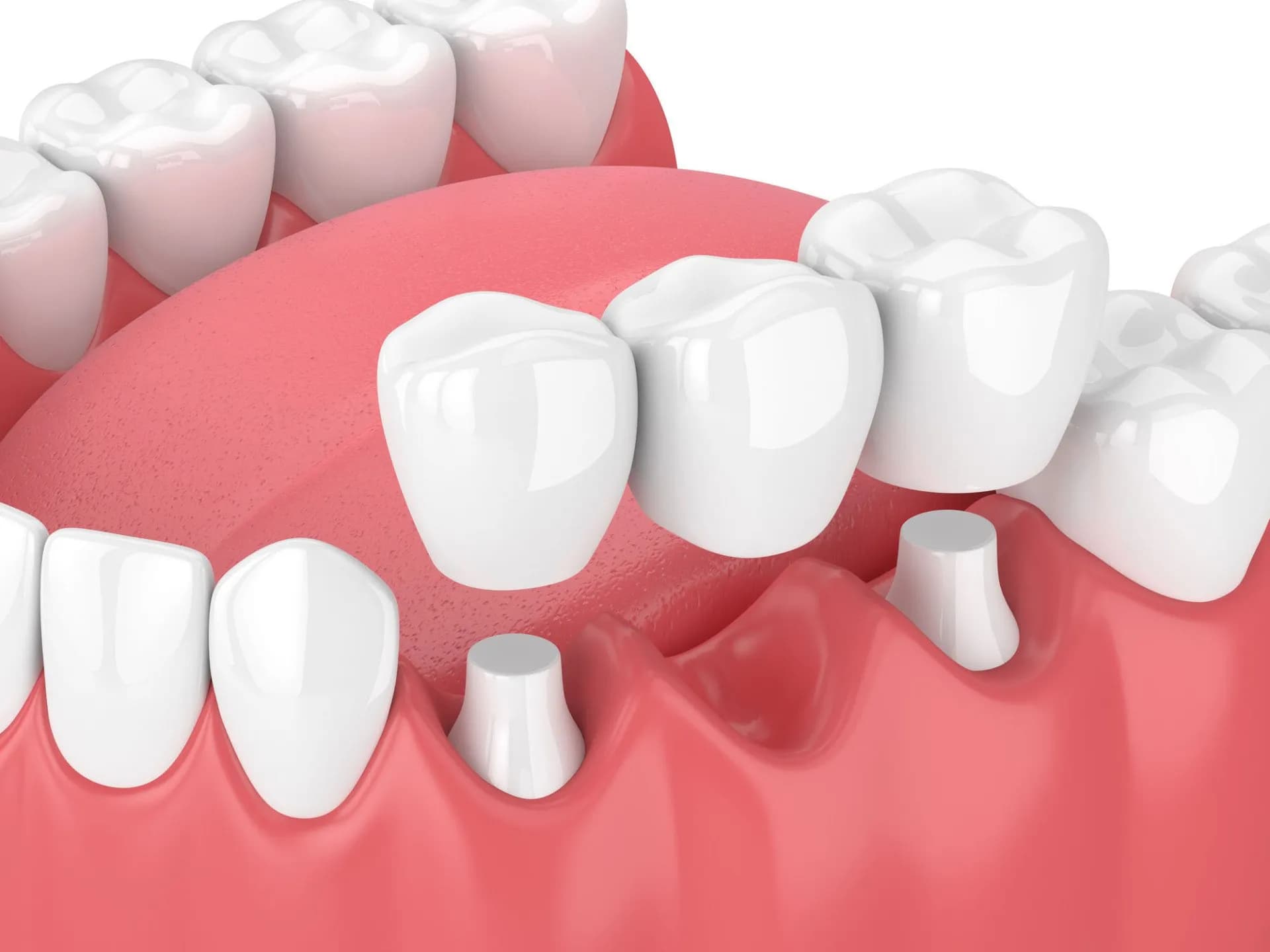
Tooth Preparation
The adjacent teeth (abutments) are reshaped and prepared to support crowns. If implants are used, minor surgical placement will be done first and require healing time.
Impressions
Digital or physical impressions are taken to ensure a precise and natural fit for the bridge.
Temporary Bridge
A temporary bridge may be placed to protect the area while the permanent bridge is being fabricated.
Final Placement
The permanent bridge is securely bonded and adjusted for comfort, proper bite, and a natural appearance.
Benefits of Dental Bridges
Functional Restoration: Enables natural chewing, biting, and speaking
Aesthetic Improvement: Fills gaps and provides a more balanced, confident smile
Tooth Stability: Prevents adjacent teeth from shifting
Minimally Invasive: No need for surgical placement (unless implants are involved)
Time-Efficient: Often completed in fewer visits than other restorative options
Aftercare Instructions
Brush and floss around the bridge daily using dentist-recommended techniques
Avoid sticky or overly hard foods that may dislodge the bridge
Schedule regular dental checkups for professional maintenance
Wear a night guard if advised, especially for teeth grinders
Frequently Asked Questions
The procedure is typically performed under local anesthesia, making it painless. Mild sensitivity or discomfort after placement is temporary.
With proper oral care, dental bridges can last between 10 to 15 years or longer.
Maintaining your bridge requires good oral hygiene, including brushing twice a day and flossing around the bridge. Special tools, such as floss threaders, may be recommended to clean under the bridge effectively.
Initially, you may notice minor changes, especially if replacing front teeth. However, as you adjust, your speech typically improves—especially if the missing teeth were previously causing speech issues.
Yes, eventually. Although bridges are long-lasting, they may need to be replaced due to wear, changes in your bite, or gum recession. Regular checkups help monitor their condition.
Contact Us