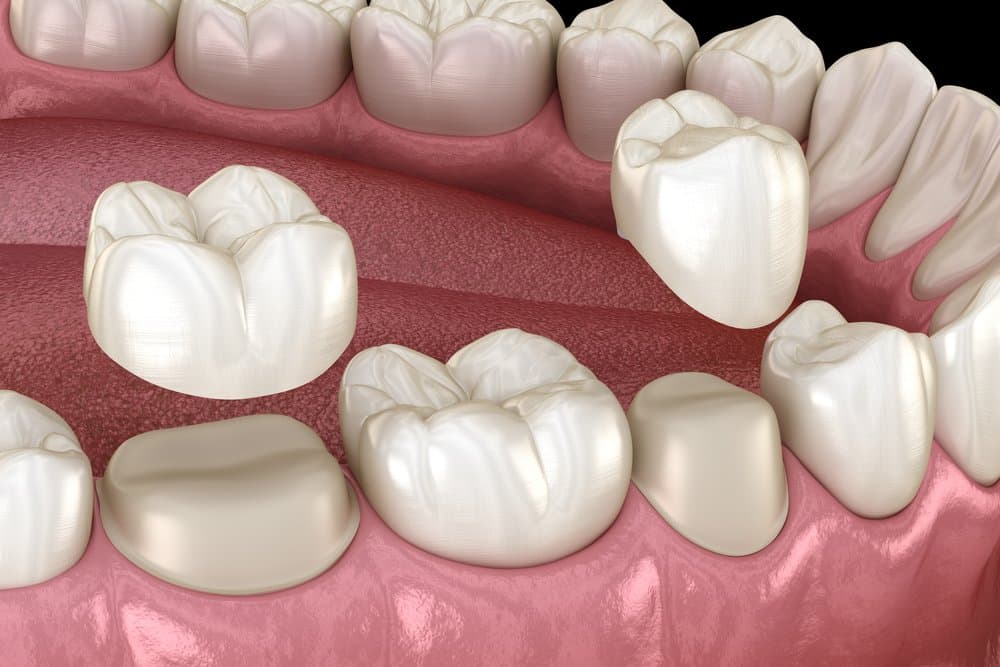
Dental crowns are custom-made caps designed to fully cover a damaged or weakened tooth, restoring its shape, strength, and appearance. They are commonly used after large fillings, fractures, or root canal treatment, and can also be placed on dental implants to replace missing teeth. Crowns are crafted from strong, natural-looking materials such as porcelain or zirconia to blend seamlessly with surrounding teeth.
Treatment Timeline
The entire dental crown process typically takes 2 to 3 visits over 1 to 2 weeks, depending on the complexity of your case and the type of crown material used.
Day 1 – Consultation & Evaluation: Your dentist examines the affected tooth and takes X-rays or scans.
Day 2 – Tooth Preparation & Impression: The tooth is reshaped, and impressions are made for the crown.
Day 3 – Crown Placement: After your custom crown is fabricated, it is cemented securely in place.
Note: In some cases, a temporary crown may be placed between visits to protect the tooth.
Step-by-Step Procedure
Consultation and Assessment
Your dentist evaluates the condition of your tooth using digital scans or X-rays, then creates a treatment plan tailored to your needs.
Tooth Preparation
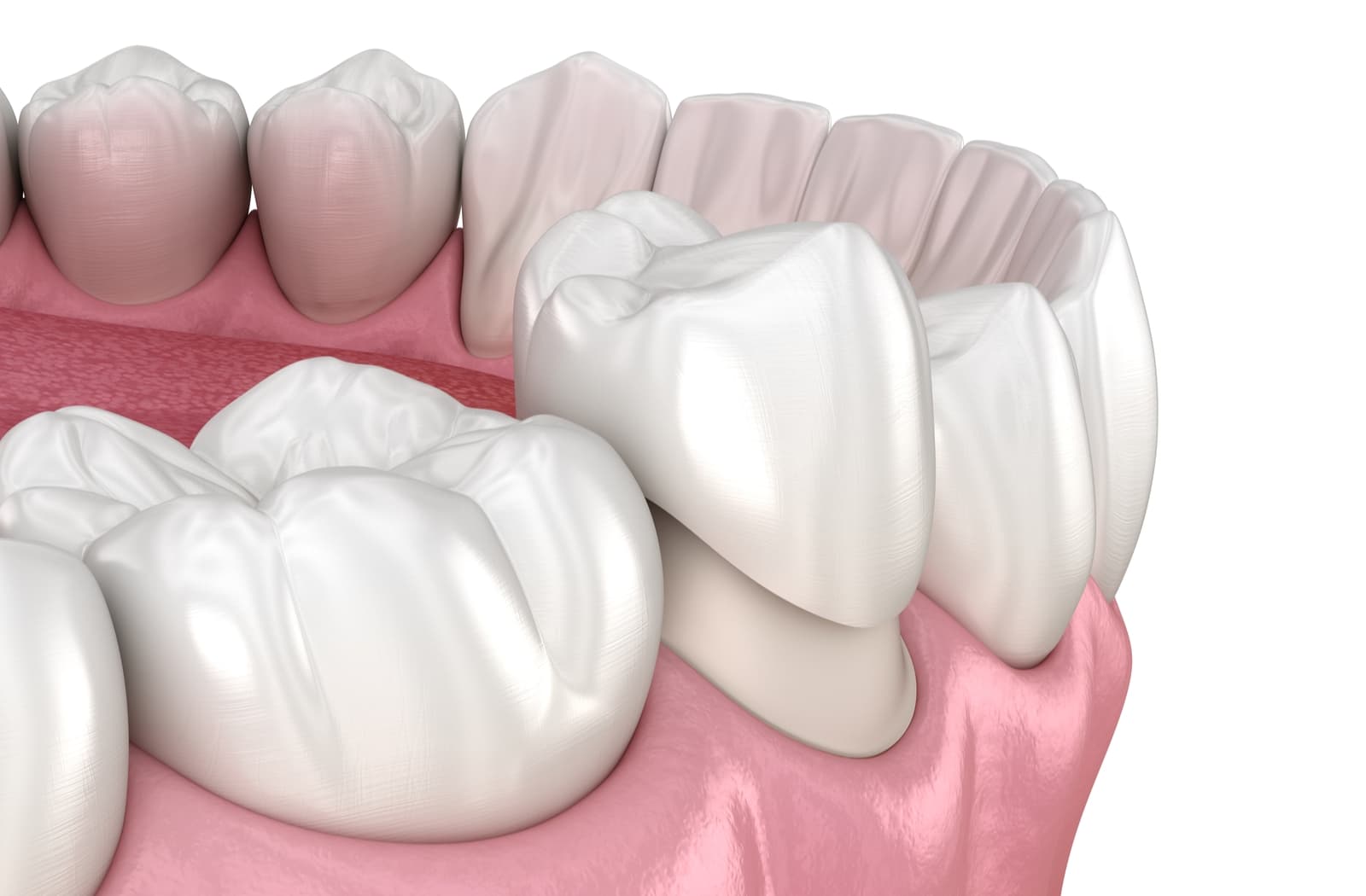
The damaged or decayed tooth is reshaped to accommodate the crown. In some cases, additional material may be used to support the crown's placement.
Impression
A digital or physical impression of the tooth is taken to ensure a precise fit for your crown.
Temporary Crown
A temporary crown is placed to protect your tooth while your permanent one is being fabricated.
Permanent Crown Placement
The final crown is securely cemented in place, followed by bite and alignment checks and necessary adjustments.
Aftercare Instructions
Oral Hygiene: Brush and floss daily, especially around the crown margins
Avoiding Damage: Refrain from biting hard items like pens or ice
Dental Visits: Attend regular check-ups for professional cleaning and evaluation
Longevity Tips: With proper care, crowns can last 10 to 15 years or more
Frequently Asked Questions
The procedure is generally painless due to local anesthesia. Mild sensitivity may occur after placement but usually resolves within a few days.
Once fully placed, you can eat normally. However, avoid extremely hard or sticky foods that may damage the crown.
Yes. Crowns are designed to blend seamlessly in color and shape with your existing teeth for a natural appearance.
No special tools are required, but excellent oral hygiene and routine dental visits are essential for long-lasting results.
Absolutely. Crowns are not only for functional repairs but also used in smile makeovers to enhance the size, shape, or color of a tooth.
Contact Us